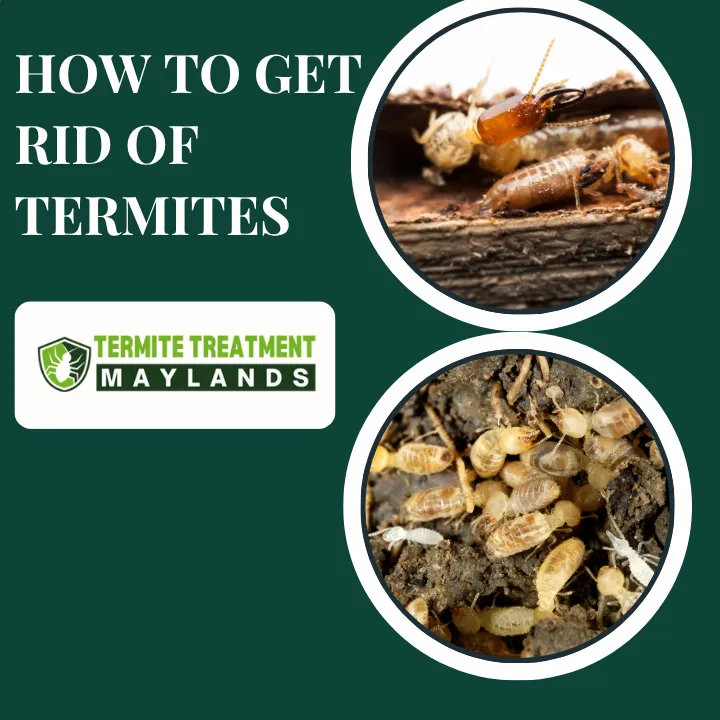
How to Get Rid of Termites
Part 1: Essential Facts About Termites
What Are the Different Types of Termites?
Termites are often mistaken for white ants, but they’re quite different. Here’s how you can tell them apart:
Feature
Termites
Ants
Waist
Bro
ad and uniform
Pinched and narrow
Antennae
Straight
Bent
Wings
Equal in size
Unequal sizes
Diet
Cellulose-based (wood, paper)
Proteins and sugars
Habitat
Moisture and wood
Food and water sources
The two most common termite species found in Singapore are:
Drywood Termites
These termites inhabit dry wood materials above the ground for instance, doors, window frames and furniture. While they need dry wood in which to build their nests, they are also attracted to damp surroundings caused by leaky pipes or wet areas.
One of the telling signals of Drywood termites is frass which is their feces. Subterranean termite faeces is used to build their tunnels, while Drywood termite faeces is kicked out of the holes they create. This frass resembles sawdust and is commonly observed around infested wood.
Subterranean Termites
These termites form extensive nest systems in the soil and are dependent on soil moisture. They build mud tunnels out of a combination of soil, saliva and dung, which they use to travel in secret. Underground termites favor moist wood and are generally located in woodpiles, basements, and around the foundation of the house.
How Termites Enter Your Home
Take It to the Ground: Termites sneak underground, creeping into homes through cracks in the foundation or mud tubes.
Wood Outside the Home: Firewood, cardboard boxes or old furniture close to your home become an easy food supply and entrance.
Cracks and gaps: Termites can pass through the tiniest of openings, so verify that your walls, windows, and foundation are all well sealed.
Infested Furniture: Carrying old wood items, or second-hand back to the home can reason to obtain termites.
Can Termites Harm Humans?
Yes. Although they don’t bite or sting, termites are hazardous to your health and property:
Allergens: Termite droppings and the dust from their tunnels may cause asthma, eczema or allergies.
Mold Spores: Their activity may disturb mold spores, leading to more internal air contamination.
Structural Damage: Termites weaken wooden objects, leading to a possible collapse of parts of your home.
Financial Stress: Termite damage is expensive to fix and generally is not included in your homeowner’s insurance.
Everywhere throughout Garden Grove, CA Typical Signs You Have Termites
Common Signs of a Termite Infestation
Forsaken Wings: Swarmers abandon wings when on the hunt for new hive sites.
Wood Tunnels: Termites produce hollow ‘galleries’ within wood.
Hollow Wood: Tap on wood and you hear a hollow sound termites are inside.
Windows/Doors That Are Stuck: Termites may be causing your windows and doors to swell.
Droppings: Frass, small, grainy, brownish, made in the process of eating wood, may accumulate near window sills or baseboards.
Types of Termite Damage
Termites cause both structural and cosmetic damage:
Structural: Sagging floors, swollen ceilings, buckled walls often mistaken for water damage.
Cosmetic: Paint bubbling, peeling, visible mud tunnels, and pinholes in drywall.
Financial: Expensive renovations and lower property value due to unchecked termite issues.
Part 2: What to Do If You Have Termites
Why Professional Pest Control is Essential
Do-it-yourself solutions such as orange oil or boric acid may sound attractive, but they may not eliminate the whole colony. In a lot of instances, termites just move on to another area of your home. Professional assistance is required for full effects to be seen in any kind of long-term manner.
Termite Treatment Options
1. Monitoring Stations
Installed on your property to detect early signs of subterranean termites.
Top pick for prevention in termite-heavy areas.
2. Termite Baiting
Bait stations containing cellulose and a delayed toxicant.
The termites carry the poison back to their colony, eventually killing it.
3. Liquid Termiticide Barrier
A liquid barrier is created around the soil of your home.
Kills and repels termites anyone that is unfortunate enough to come into contact with it.
Part 3: Termite Prevention Tips
Can I Get Termites from My Neighbours?
Yes, especially if you reside in landed property. Subterranean termites journey underground and can migrate from your neighbor’s yard to yours. To reduce this risk:
Clear away any wooden debris around your house.
If there is mold in your home, clean it; make sure your home is dry and in good repair.
Schedule frequent pest inspections.
Fill openings or cracks in your foundation and walls.
How to Minimise Termites from Surfacing
Clear Wood Debris: Wood attracts termites, so doesn't store firewood or wood debris next to your home.
Close Openings to Prevent Entry: Shut gaps and cracks in walls, windows and the foundation.
Repair Leaks: Termites thrive on moisture fix dripping taps and leaky pipes.
Stay Away From Used Furniture: It is simply best to not have wooden furniture, unless you are sure that it does not have termites.
Regular Inspections: Keep an eye on your home for the signs of termites such as frass or mud tubes.
Partnering with Your Termite Specialist
Ongoing termite control is a joint effort between your customer and the professionals. Ensure success by:
Frequent talks with your pest technician.
Letting them know about environmental changes or if you found termites.
I also followed all post treatment advice.
Scheduled maintenance for that ongoing heaven.
Conclusion
These tiny creatures have no voice, yet they can ruin your home if not treated. Knowing the signs early, responding promptly with professional help and keeping strong prevention strategies up your sleave are your strongest defence.
Stay alert, act proactively, and partner with specialists to save your property from termites’ costly damaging effects.
Alpha Termite Treatment Maylands offers all pest control services in Maylands and surroundings. Feel free to contact us at (08) 6186 7439 or visit our website:
